Substance use
Substance use disorders (SUD) affect people from all walks of life and all age groups. SUD is a treatable mental disorder that affects a person’s brain and behavior, leading to their inability to control their use of substances like legal or illegal drugs, alcohol, or addictive substances. Substances like alcohol, marijuana, and nicotine are also considered drugs. When you’re addicted, you may continue using the drug despite the harm it causes.
The risk of addiction and how fast you become addicted vary by drug and person. Some drugs, such as opioid painkillers, have a higher risk and cause addiction more quickly than others.
As time passes, you may need larger doses of the drug to get high. Soon, you may need the drug to feel good. As your drug use increases, you may find that it’s increasingly difficult to go without the drug. Attempts to stop drug use may cause intense cravings and make you feel physically ill. These are called withdrawal symptoms.

The reality behind Utah's opioid addiction
Naloxone
Can save a life.
Naloxone is a prescription medication used to reverse an opioid overdose. It usually works within 3-5 minutes and, depending on the device, is effective when sprayed in the nose or injected into a muscle.
Utah now has a standing order for naloxone prescriptions. This means that Utah pharmacists can now dispense naloxone without a prescription. A full list of locations offering naloxone can be found here.
The State Unintentional Drug Overdose Reporting System (SUDORS)
A complete picture of fatal overdose deaths
SUDORS can:
- Educate communities about circumstances contributing to fatal overdoses.
- Alert health providers, public health professionals, medical examiner offices, and other partners of newly emerging drug threats.
- Inform drug overdose prevention, response planning, and strategies using toxicology and circumstance data.
- Evaluate the impact of overdose prevention and response efforts.
Primary sources:
- Death certificates
- Medical Examiner Reports
- Toxicology laboratory reports
- Emergency medical services (EMS) reports
- Scene investigator reports
- Police reports
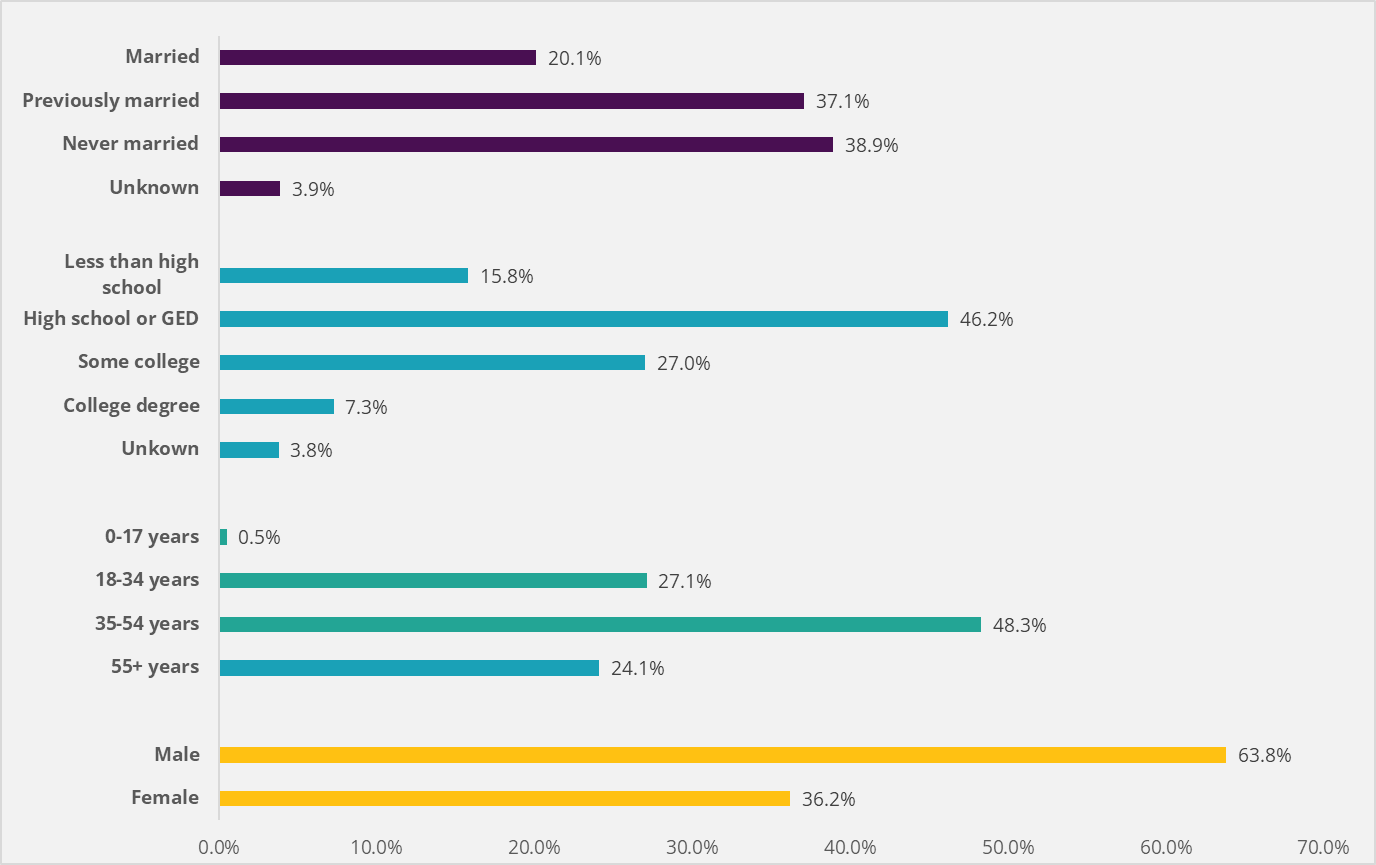
Utah statistics:
- Males (64%)
- Between the ages of 35 and 54 years (48%)
- Had a high school education or less (62%)
- Never married (39%)
- Residents of Utah at the time of their death (95%)
Data collected (over 600 elements collected), including:
- Demographics
- Location of overdose
- Date of death
- Mental health history
- History of substance use
- Bystanders presence
- Naloxone administration
- Drug use history
- Drug administration route
- Drugs contributing to death
How to use the data:
- Educate partners about location specific risks.
- Inform drug overdose prevention and response planning.
- Evaluating the impact of current prevention and response efforts.
Additional resources:
See additional resources about the SUDORS from the CDC here.
Access to the complete list of data variables from the SUDORS coding manual.
Reference
- State Unintentional Drug Overdose Reporting System, Violence and Injury Prevention Program, Utah Department of Health and Human Services, 2019-2024 data [cited 2025 June].
Tobacco prevention


Designed to cater to you, we are here to provide you with tools, resources, contacts, links, and additional information that you may need to quit tobacco.
Get free tools like nicotine patches and gum to make quitting easier. Don't let sleek designs and unique flavors cloud your judgment; vaping is still addictive.
Alcohol use and alcoholism


Learn more about alcohol use
- 211, 211utah.org
- Centers for Disease Control and Prevention (CDC) Alcohol portal, cdc.gov/alcoholportal/
- National Institute on Alcohol Abuse and Alcoholism, niaaa.nih.gov